From first photograph
to first morning.
They rented this house – but what they discovered surprised them
They had imagined the view from the terrace. They had not imagined how much the quiet room beside it would matter.
The following story is an imagined couple’s journey, written to explore the details that can shape a week away. It is not a verified customer experience.
It began with the wish to slow down.
For the couple, the holiday started with a simple conversation at the kitchen table. They wanted a week in the United Kingdom with room to read, cook together and leave the clock alone. A hotel had seemed the obvious answer, until they realised that their favourite part of a break was often the time between the plans.
A private house offered a different rhythm: breakfast without a dining-room timetable, a living room of their own and the possibility of spending an entire afternoon exactly where they were. They were not looking for the largest house or the longest list of extras. They wanted somewhere that could make an ordinary day feel unhurried.
They began by considering the week rather than the building. Would they explore nearby villages, spend time by the coast or stay close to the garden? Did they want to drive each day, or leave the car untouched? Those questions slowly became more useful than the broad word “luxury”.

A beautiful shortlist.
A more personal question.
At first, their search moved between very different homes: a contemporary country house, a characterful property near the sea and a townhouse within walking distance of cafés. Each promised a different kind of holiday through its photographs. Comparing them became easier only when the couple agreed which parts of the week mattered most.
They wanted a private outdoor place to sit, a kitchen they would genuinely use and a comfortable indoor retreat if the weather changed. They also wanted a manageable journey and a setting that felt quiet without leaving every practical errand far away. A striking property could still be the wrong match if daily life there required more effort than they wanted.
Instead of treating every attractive feature as equally important, they separated their essentials from their preferences. That small change gave the search a clearer direction. It also made room for properties whose appeal was less obvious in a single impressive image.

The photographs were the beginning.
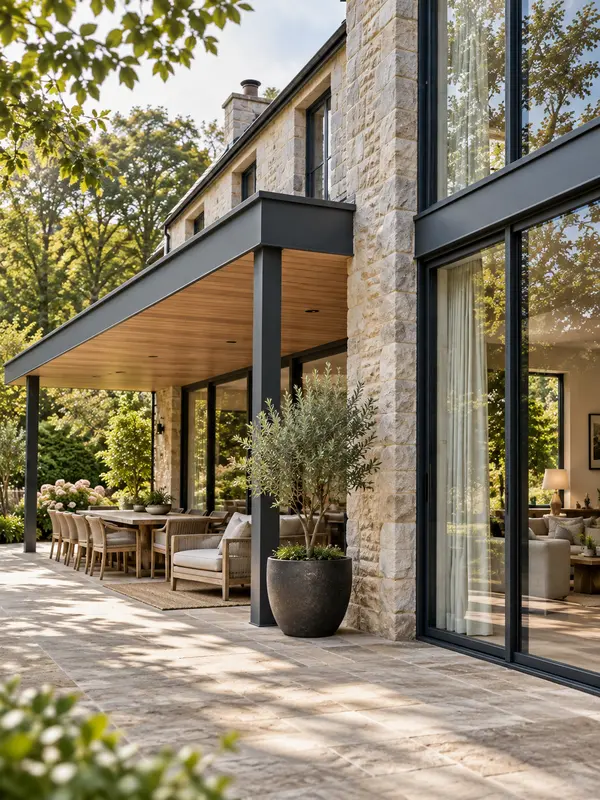
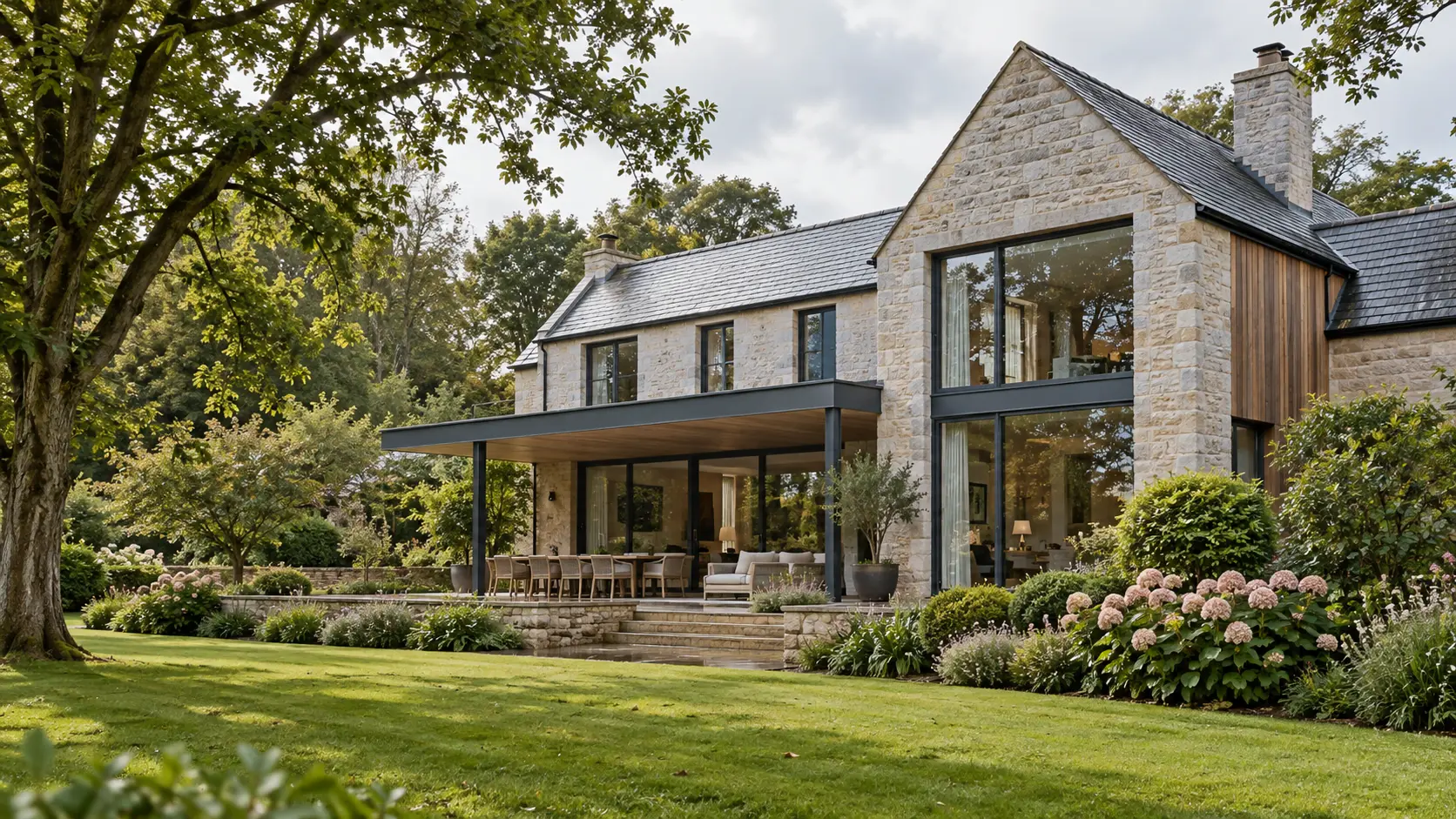
One house stayed on their shortlist. Its garden-facing windows, uncluttered rooms and sheltered terrace seemed to suit the week they had described. The images helped them picture arriving, opening the doors and putting the kettle on. They could see the materials and furniture; they could not yet understand the atmosphere.
A wide view of a bedroom could not tell them how dark it became at night. A photograph of the garden did not explain what lay beyond the boundary. A beautifully dressed dining table said little about the kitchen equipment or whether the room was comfortable for a long evening in.
So they started asking practical questions: how the rooms connected, which outdoor areas were private, what check-in involved and whether the route to the house suited their plans. The exercise did not diminish the appeal of the photographs. It gave those photographs a context.
They packed for a place.
They were hoping for a feeling.
In the days before their arrival, the couple pictured a quiet first evening. They would shop on the way, cook something simple and spend the rest of the night without leaving the house. Their expectations had become less about individual features and more about how those features might work together.
They also made space for the unglamorous details: arrival instructions, access, parking and what to bring. A clear understanding of practical arrangements can take much of the uncertainty out of the first day. Still, some qualities of a home become apparent only when you step inside and spend time there.

The first impression was quieter than expected.
There was no theatrical reveal. There was the sound of the front door closing, a hall with space to put down their bags and the way the living room opened towards the garden. The house felt less like a sequence of photographs and more like a place with its own daily rhythm.
They noticed the light first. Then the routes between rooms, the ease of carrying groceries into the kitchen and the sheltered corner outside where the wind seemed less noticeable. None of those details had been the centrepiece of the listing. Together, they began to change the character of the week.
Nobody expected what was discovered in this rented house
What they discovered, in this illustrative account, was not a hidden room or a dramatic secret. It was a modest reading corner beside a garden window, set apart from the main living space. The chair was comfortable, the light softened towards the afternoon and the room was quiet enough to hear the trees outside.
It became the place they returned to after a walk, before breakfast and whenever their plans briefly separated. One could read there while the other cooked or made a call. A room that had barely registered in the photographs offered something the couple had not thought to request: a little independence within a shared holiday.
The surprise was how naturally the house accommodated them. They had chosen it for the broad impression of space and style. They began to appreciate it for the relationship between its rooms, the comfort of its everyday furniture and the places where it was possible to pause.
Sometimes the most valuable feature is the one you did not know how to search for.


The garden was not just a view.
As the week unfolded, the terrace became a place for breakfast rather than a feature to admire from the window. The route through the garden gave their mornings a gentle structure. On a day of changing weather, the connection between indoors and outdoors mattered more than the size of either space.
They also began to understand the setting: the approach to the property, the distance to an everyday shop and how the surrounding area fitted their plans. A house is never experienced entirely on its own. Privacy, access and nearby places can shape the holiday just as much as a handsome interior.
By the end of the story, the couple would describe the home differently from the way they had first found it. They would mention where they liked to sit, how the kitchen worked and which room felt best on a rainy afternoon. That is the perspective a considered search tries to bring into the conversation earlier.
Describe the details that matter to you